Cosmos Flower Border Review
First Impressions of Cosmos Flower Border
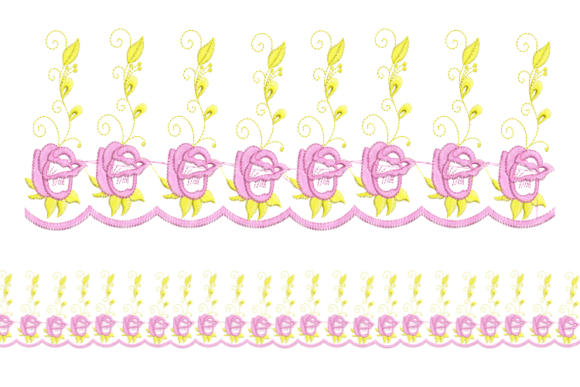
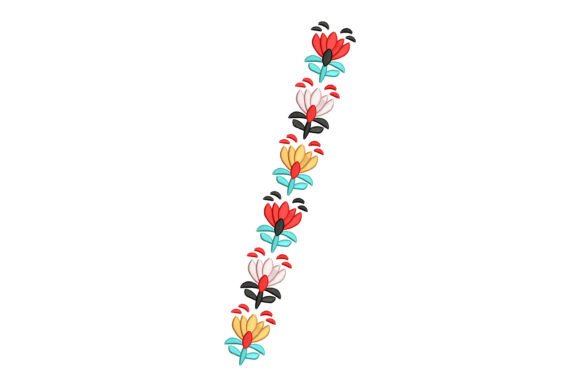
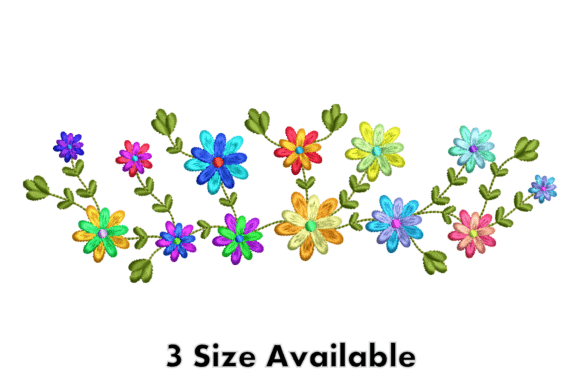
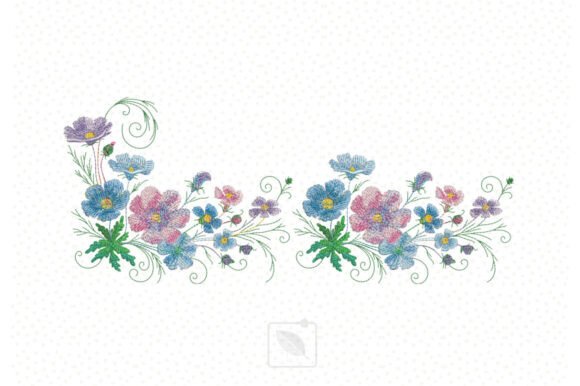
The Cosmos Flower Border immediately evokes a sense of calm and elegance. The delicate pink, lilac, and blue hues of the cosmia flowers, paired with the neat green leaves and flowing curls, create a design that feels light and fresh. It’s a pattern that leans into nature’s grace without being overwhelming. The layout is balanced, with enough detail to feel intricate but not so dense that it risks looking cluttered.
This design seems most at home on soft, breathable fabrics where its airy quality can shine. It’s ideal for items like tote bags, pillow covers, or baby clothes—projects where visual appeal meets practicality. The border structure makes it easy to incorporate into a variety of products, whether as a standalone motif or part of a larger composition.
Real-Life Embroidery Use Cases
Imagine preparing a custom embroidered tote bag for a client who wants something both stylish and meaningful. Cosmos Flower Border could be the perfect choice. Its floral elements add a touch of sophistication, while the gentle curves make it versatile enough to work on a range of styles—from casual to elegant.
For small business owners, this design could be a valuable addition to an Etsy shop or craft fair booth. It has the potential to stand out as a unique, handmade product that appeals to customers looking for personalized gifts or boutique-quality items. Whether used on sweatshirts, aprons, or holiday decorations, the design maintains a cohesive aesthetic that fits well in multiple contexts.
As an embroidery designer, I appreciate how the Cosmos Flower Border works across different mediums. It can be adapted for applique designs, satin stitch fills, or even running stitch accents depending on the desired texture. The level of detail suggests it would look best on smooth, non-stretchy fabrics where each element can be clearly defined.
Where to Use Carefully
While the design is beautiful, it may not be the best fit for every project. On small hoop sizes, some of the finer details might get lost, especially in areas with tight curves or intricate patterns. If you're planning to use it on a cap or other curved surface, you’ll need to ensure the design can be split or adjusted appropriately.
Textured or stretchy fabrics could also pose challenges. The delicate nature of the flowers and leaves might not hold up well on materials that are prone to puckering or distortion. Similarly, dark fabrics may require a contrast in thread colors to make the design pop, and thin or lightweight materials might need extra stabilizer to prevent shifting during stitching.
If you’re working with a layered garment or a product that requires frequent washing, consider how the design will hold up over time. Dense stitch areas or high-traffic zones could lead to wear, so it’s wise to test the design on a sample before committing to a full production run.
Impact on Visual Appeal and Customer Perception
Cosmos Flower Border has the potential to elevate the visual appeal of any finished product. Its soft, natural theme can make a handmade item feel more refined and thoughtful, which is essential for building customer trust. When used on personalized gifts or custom apparel, it adds a level of care and attention that resonates with buyers looking for something special.
From a branding perspective, this design could help maintain consistency across a product line. Its clean lines and muted color palette make it adaptable for various merchandise, from baby onesies to holiday-themed items. It also supports the idea of a cohesive brand identity, especially for small shops or Etsy sellers aiming to establish a recognizable style.
When presented properly, such as in a printable mockup or digital product preview, Cosmos Flower Border can attract higher engagement from potential buyers. It’s a design that invites curiosity and offers a clear sense of what the final product will look like, which is crucial for online sales and craft fairs.
Practical Designer Notes
Before using Cosmos Flower Border in your own projects, I recommend testing it on scrap fabric to see how it looks in real life. Pay close attention to how the thread colors interact with the fabric and whether the stitch density is appropriate for the material you plan to use.
Check the hoop size required for the design and confirm that it fits your machine. If the design is too large, you may need to adjust or split it. Also, review the small details—like the edges of the leaves or the curves of the flowers—to ensure they are crisp and well-defined.
Consider how the design will look in black and white mockups, as this can give you a better idea of its overall shape and balance. Compare it against both light and dark fabric backgrounds to see if the contrast is sufficient for your intended use.
Finally, always use the right stabilizer for your fabric type and confirm that the design is suitable for both personal and commercial projects. If you plan to sell finished items or digital products, double-check the licensing terms to avoid any issues down the line.