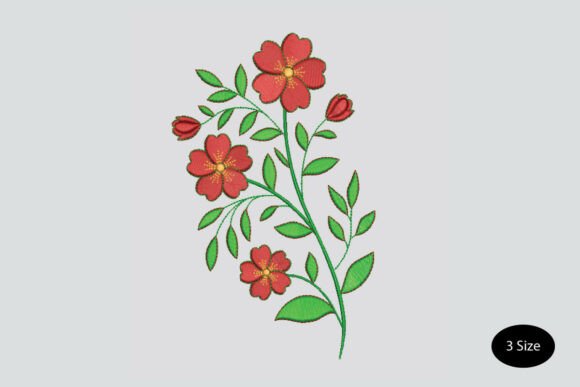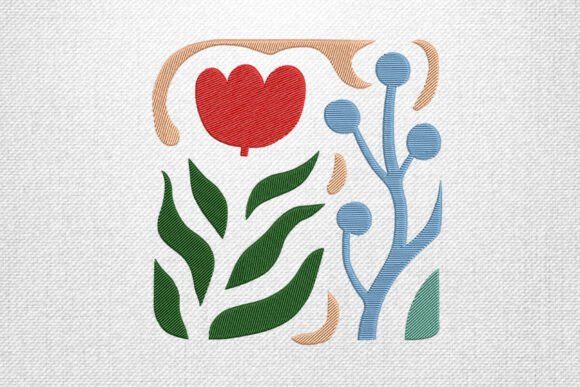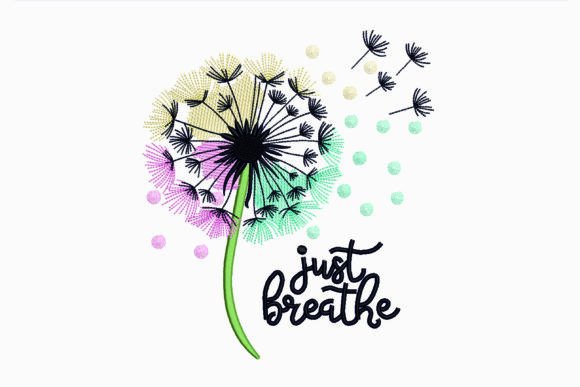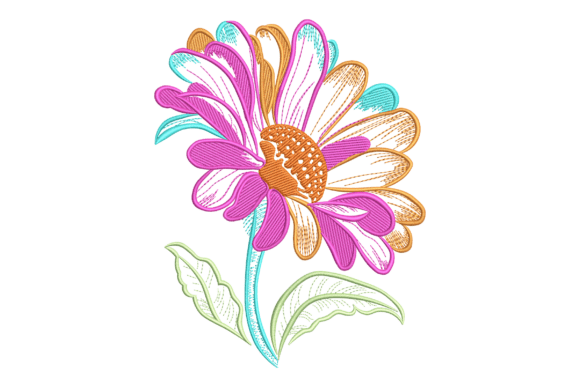
House Plants Embroidery Design
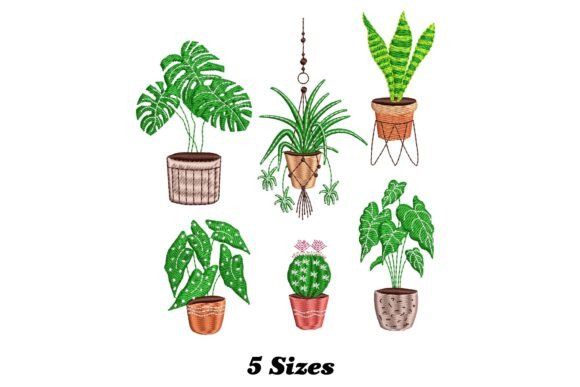
The House Plants embroidery design offers a fresh, nature-inspired touch that can elevate a wide range of craft fair products. As an experienced embroidery designer, I’ve evaluated this design for its visual appeal, practicality, and potential to sell in handmade markets. Whether you're an Etsy seller, a boutique maker, or a weekend craft fair vendor, this design has a lot to offer.
First Impressions: A Fresh and Versatile Design
From the first glance, House Plants feels modern and approachable. The design is clean, with a soft, decorative aesthetic that leans toward a farmhouse or minimalist vibe. It’s not overly bold, but it has enough detail to stand out on fabric without overwhelming the eye. This makes it ideal for plant lovers and those who appreciate subtle greenery in their handmade items.
As a machine embroidery design, House Plants works well as both a small accent and a larger focal point. Its simplicity allows it to adapt to different product types, from tote bag designs to embroidered patches. It also has a natural charm that appeals to a broad audience, making it a strong contender for small shop products and commercial embroidery projects.
Where House Plants Shines
When considering where to place House Plants in your booth display, think about products that customers interact with daily. Tote bags, aprons, and tea towels are excellent choices because they’re functional and often seen up close. The design looks great on these items, offering a pop of personality without being too busy.
Embroidered patches and fabric pouches are also good options. They allow the design to be a standout feature while remaining affordable and easy to produce. For gift items, pillow covers and market bags make perfect canvases, especially if you’re targeting home decor or eco-friendly buyers.
As a printable mockup, House Plants can be used to showcase your design options to customers before they purchase. It also serves as a valuable design asset for Etsy listings, helping to create visually appealing product photos that catch attention.
Practical Selling and Production Points
One of the biggest advantages of House Plants is how easy it is to understand at a glance. It doesn’t require complex stitching or intricate details, which means it’s efficient to produce in bulk. This makes it ideal for batch production, especially for embroidery business owners looking to streamline their workflow.
The design photographs well for online listings, provided you use the right thread colors and fabric backgrounds. It also scales reasonably well, though it may lose some clarity when reduced to very small sizes. If you plan to use it on caps or curved surfaces, keep in mind that the stitch density might need adjustment for optimal results.
For commercial embroidery, ensure the embroidery file is compatible with your machine and that the hoop size is appropriate. Test the design on scrap fabric first to check how it looks on different materials, especially textured towels or dark fabrics. A proper stabilizer will help maintain the design’s integrity on challenging surfaces.
Careful-Use Notes for Embroidery Designers
While House Plants is generally straightforward, there are a few things to watch for. Dense stitch areas could cause puckering on thin or stretchy fabrics, so it’s wise to test on a sample before mass production. Tiny details, like leaf edges, may not hold up well on thick fabrics or when using light-colored threads.
If you're planning to use this design on caps or other curved surfaces, you may need to adjust the hoop size or stitch direction for better placement. Small lettering, if present, should be clearly visible and placed in a way that doesn’t get lost in the overall composition.
Impact on Visual Appeal and Customer Engagement
House Plants adds a sense of warmth and creativity to any product. It draws attention in a booth display, especially when paired with other nature-themed designs. Its soft, greenery-inspired look gives handmade products a premium feel, which can increase perceived value and encourage purchases.
As a craft fair product, it helps reinforce brand consistency, especially if you’re focused on eco-friendly or home décor themes. It also enhances buyer engagement by offering something unique that resonates with plant lovers and nature enthusiasts.
For Etsy sellers, the design provides a versatile option for digital embroidery files. It can be sold as a downloadable design or used in physical products, giving you flexibility in your offerings. When combined with high-quality photos and clear descriptions, it becomes a strong selling point for small shop products.
Embroidery Designer Tips for Success
To get the best results with House Plants, start by testing the design on different fabrics. Check how the thread colors look against various backgrounds and ensure the stitch density is even. If you’re working with a thick fabric or a textured towel, consider adjusting the stabilizer to prevent distortion.
Create at least one real mockup to see how the design looks in person. Compare fabric colors to find the best match for your target audience. And always confirm commercial licensing before selling finished products—this ensures you’re compliant and protects your business.
Finally, remember that House Plants is a flexible design that can be adapted to many products. Whether you're making tote bag designs, apron embroidery, or tea towel embroidery, it has the potential to become a crowd-pleaser at your next craft fair or online store.