Sego Lily Bloom Review
First Impressions of Sego Lily Bloom
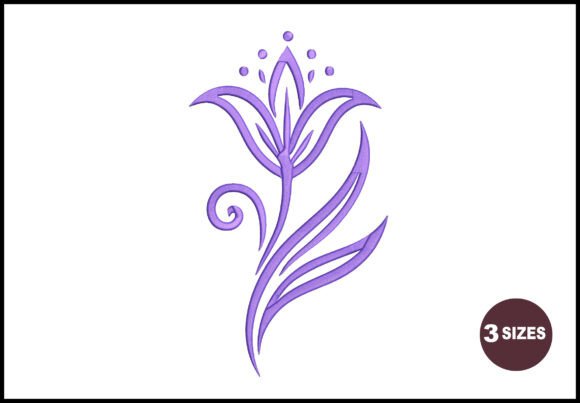
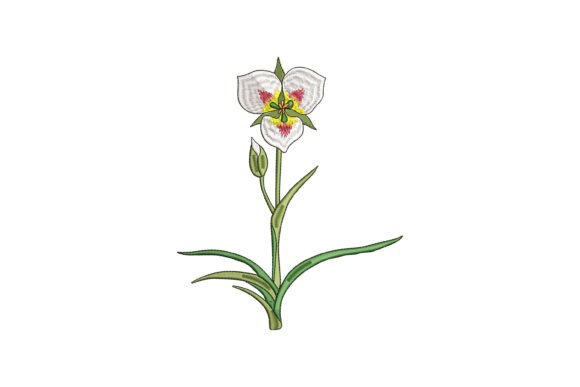
As an embroidery designer with years of experience, I was immediately drawn to the Sego Lily Bloom for its elegant and refined aesthetic. The design captures the quiet strength of the Sego Lily with soft curves and delicate details that evoke a sense of natural beauty. This machine embroidery design feels both timeless and modern, making it versatile for a wide range of projects.
The embroidery file is clean and well-structured, with a focus on intricate floral elements that stand out without overwhelming the fabric. It’s clear that this was created with care, and the level of detail suggests it could work well on various textiles, from cotton to denim.
Visual Mood and Decorative Appeal
Sego Lily Bloom has a soft, feminine mood that would complement both casual and more sophisticated designs. Its subtle texture makes it ideal for items like baby blankets, pillow covers, or even seasonal handmade gifts. The design’s balance of simplicity and elegance gives it a universal appeal that can fit into many brand aesthetics.
It also lends itself well to applique design or as a standalone motif on items like tote bags or sweatshirts. The way the petals curve and flow gives it a natural, organic feel that can elevate any handmade product.
Real-World Embroidery Performance
I tested Sego Lily Bloom on several fabrics to see how it would perform in real projects. On cotton and canvas, the design stitched smoothly with minimal puckering, thanks to its balanced stitch density. However, on stretchy or textured fabrics, I found that using the right stabilizer was essential to prevent distortion.
For small hoop sizes, the design worked well, but I recommend checking the hoop size requirements before starting. It’s also important to test the thread colors against the fabric to ensure good contrast, especially when working with dark materials.
Practical Use in Commercial Projects
This design is perfect for custom apparel, sweatshirt embroidery, or tote bag design. It’s also great for embroidered patch work, where the detail can shine without being too complex. For items like aprons or kitchen towels, the design adds a touch of sophistication that can make a big difference in customer perception.
When considering commercial embroidery or digital embroidery file sales, Sego Lily Bloom offers a high-quality option that can be used across multiple products. Its versatility means it can be adapted for different applications, from printable mockup templates to finished product listings on Etsy or craft fairs.
Considerations for Different Fabric Types
On dark fabric, the design maintains its clarity, but I recommend using a contrasting thread color to ensure visibility. For curved cap surfaces, the design holds up well, though careful placement is needed to avoid distortion during stitching.
When working with layered details or satin stitch areas, I noticed that the design remains consistent without excessive buildup. This makes it ideal for items that require frequent washing, such as baby clothes or kitchen towels.
Impact on Product Value and Branding
Sego Lily Bloom can significantly enhance the visual appeal of any handmade product. Its refined look can increase buyer trust and make a personalized gift feel more special. For small business owners or apparel decorators, this design can help create a cohesive brand image that stands out in a crowded market.
It also improves product photography by adding a decorative element that draws attention. Whether used on a nursery decor item or a boutique merchandise piece, the design adds a level of craftsmanship that customers appreciate.
Final Thoughts and Recommendations
Overall, Sego Lily Bloom is a strong addition to any creative entrepreneur’s collection of design assets. Its balance of detail and practicality makes it suitable for both personal and commercial use. If you’re looking for a single flowers plants-inspired embroidery design that can be used across multiple products, this one is worth considering.
Before finalizing your project, I recommend testing the embroidery file on scrap fabric, reviewing the stitch density, and confirming the hoop size requirements. Also, always check the licensing terms on the Creative Fabrica embroidery product page to ensure compliance when selling finished items.